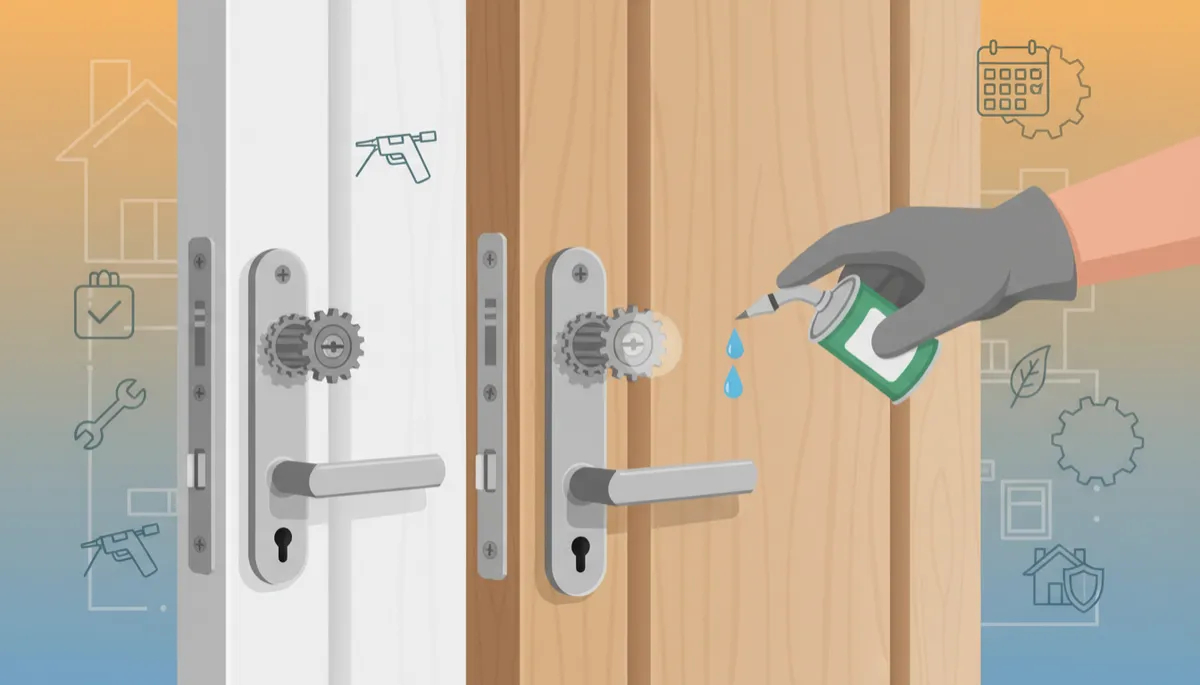
Enhance Home Security with Door Maintenance Tips
Home Security, Door Maintenance
Home Security Starts at the Front Door: A Practical Guide to Door Maintenance
A well‑locked door is only as strong as the door, frame, and hardware that support it. In this guide, we’ll show you how simple, regular door maintenance can dramatically improve your home security and help you avoid costly emergencies.
Why Door Maintenance Matters for Home Security
When people think about home security, they often jump straight to alarms, cameras, and smart doorbells. Yet, the most common entry point for an intruder is still the front or back door. If the door is warped, the frame is cracked, or the lock is stiff and rarely serviced, even the best security system is working with a weak link.
Regular door maintenance strengthens that link. It helps your locks operate smoothly, keeps hinges aligned, and ensures the door closes tightly against the frame. This not only deters forced entry but also prevents everyday problems such as draughts, water ingress, and premature wear that can lead to expensive repairs or emergency locksmith call‑outs later on. At SecureHome Services, we often see emergencies that could have been avoided with a few simple checks spread throughout the year.
📌 Key Takeaway: Treat your doors like any other safety system. A little attention now dramatically reduces the risk of failure when you need them most.
Your Monthly Door Security Check: A 10‑Minute Routine
A simple monthly routine is one of the most effective ways to stay ahead of problems. Set a reminder on your phone and walk through these checks on every external door, including side and patio doors.
Operate the lock several times. Insert the key and lock/unlock the door fully. If the key catches, the handle feels spongy, or you notice a stiff lock, that’s an early warning sign. Don’t ignore it—stiffness usually gets worse, not better, and can leave you locked out or compromise your security if the lock fails to engage fully.
Check alignment and closing. Close the door slowly and watch how it meets the frame. It should close smoothly without scraping the floor or catching on the frame. If you have to lift or push hard to close it, the hinges or frame may be out of alignment, weakening both the lock and the weather seal.
Inspect hinges and screws. Look for loose screws, rust, or visible gaps at the hinge side. Tighten any loose screws with the correct screwdriver. If screws no longer bite, they may need to be replaced with slightly longer ones to grip the timber or masonry behind the frame for added strength.
Examine seals and weatherstripping. Check rubber seals and brush strips around the edges. Cracked or missing seals not only let in cold air but can also allow water to reach the lock mechanism, increasing the risk of corrosion and failure.
Look for visible damage. Chips, cracks, or swelling in the door or frame can be signs of weather damage or attempted forced entry. Make a note of anything that looks unusual and monitor it month to month.
💡 Pro Tip: Perform your monthly checks both from inside and outside. Minor gaps or misalignments are often easier to spot from the street side.
Six‑Month Lubrication: Keeping Locks and Hinges Moving Smoothly
Every six months, schedule a more in‑depth service for your doors. Proper lubrication reduces friction, prevents corrosion, and dramatically extends the life of your locks and hinges. It’s one of the simplest, most cost‑effective door maintenance tasks you can do for better home security.
Choose the right lubricant. For most locks, a graphite or PTFE‑based spray is ideal. Avoid heavy oils and general household sprays inside the lock cylinder; they attract dust and can create a sticky paste that leads to a stiff lock over time.
Lubricate the keyway. Apply a short burst of lubricant into the keyhole, insert the key, and turn it several times to distribute the product evenly. Wipe away any excess from the key and faceplate to keep the area clean and discreet.
Service the latch and bolts. With the door open, operate the handle and watch the latch and deadbolts extend and retract. Apply a light lubricant to the moving parts and to the strike plate on the frame, then work the mechanism repeatedly until it feels smooth and consistent.
Care for hinges. A drop of light machine oil on each hinge pin is usually enough. Open and close the door several times to work it in. If you hear squeaking or feel grinding, there may be dirt or rust present—clean gently before re‑lubricating.
Done twice a year, this routine keeps your hardware performing like new and significantly reduces the chance of sudden lock failure or jammed doors, particularly in cold or damp weather.
Seasonal Wooden Door Care: Protecting Against Warping and Swelling
Wooden doors are attractive and robust, but they are also sensitive to temperature and humidity changes. Seasonal care is essential if you want them to remain secure and easy to use all year round. Neglected timber can swell in damp months, making the door hard to close, or shrink and crack in summer, weakening the structure around the lock and hinges.
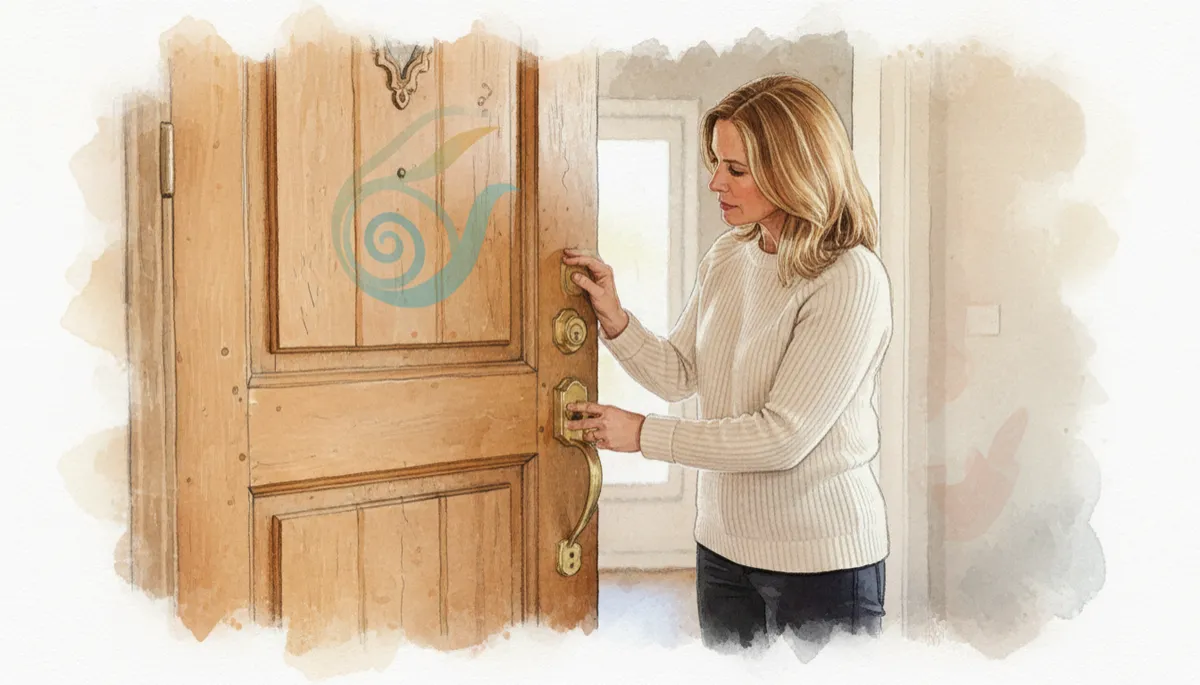
-toned photo of a homeowner inspecting a wooden front door, checking the lock and frame for...
Seasonal checks on timber doors prevent warping that can weaken locks and frames.
Inspect paint or varnish annually. The finish on a wooden door acts as its weather shield. Look for peeling, cracking, or bare patches, especially on the top and bottom edges where water can easily seep in. Repainting or re‑varnishing before damage spreads is far cheaper than replacing a swollen or rotten door later on.
Watch for sticking during wet weather. If your wooden door starts to stick at the top or bottom after rain, that’s a sign it’s absorbing moisture. Light sanding and resealing of the affected edge can restore smooth operation and help maintain a tight, secure fit within the frame.
Check for hairline cracks around the lock. Seasonal movement can stress the area around the lock and strike plate. Any cracking or splitting here should be addressed quickly, as it makes it easier for an intruder to kick or lever the door open despite a good lock.
💡 Pro Tip: Pay special attention to south‑facing doors. Constant sunlight can dry out timber and finishes faster, requiring more frequent inspection and touch‑ups.
UPVC Door Care: Keeping Modern Doors Secure and Trouble‑Free
Many modern homes rely on UPVC doors for their main and patio entrances. These doors are durable and low‑maintenance, but they are not “fit and forget.” Proper UPVC Door Care keeps the multi‑point locking system working correctly and prevents the frame from twisting or dropping over time, which can seriously affect home security.
Clean the frame and seals regularly. Use mild soapy water on the UPVC surface and a soft cloth to remove dirt and grime. Avoid abrasive cleaners that can scratch the finish. Wipe rubber seals to remove dust and apply a silicone‑based conditioner once or twice a year to keep them flexible and airtight.
Care for the multi‑point lock. With the door open, lift the handle to extend all the locking points, then lightly lubricate the hooks, rollers, and deadbolts. Follow the same six‑month lubrication guidance as for other doors, using a suitable PTFE‑based spray on moving parts and inside the cylinder to prevent a stiff lock.
Check and adjust hinges. UPVC doors often have adjustable hinges to correct minor drops or misalignment. If you notice the door catching on the frame or the handle becoming harder to lift, gentle hinge adjustment may restore smooth operation. If you’re unsure, this is an ideal moment to ask a professional locksmith or door specialist for help rather than forcing the mechanism.
Well‑planned UPVC door maintenance prevents the common issues we see at SecureHome Services—doors that no longer lock fully, handles that won’t lift, or cylinders that suddenly fail. All of these can be disruptive, but more importantly, they can leave your home vulnerable if ignored.
When to Call a Locksmith Instead of DIY
Many aspects of door maintenance are perfectly manageable for homeowners, but there are clear moments when calling a professional locksmith is the safest and most cost‑effective option. Leaving serious issues unresolved can undermine all your other home security efforts.
Persistent stiff lock or key problems. If lubrication and gentle cleaning don’t solve a stiff lock, forcing it can snap the key or damage the cylinder. A locksmith can dismantle, repair, or replace the lock before it fails completely—often upgrading you to a higher‑security cylinder at the same time.
Door won’t lock or unlock fully. If you have to lift the handle with unusual force, or the key will not turn all the way, the multi‑point mechanism or alignment may be compromised. This is particularly common with UPVC doors. Professional adjustment and, if needed, replacement parts will restore full locking strength and ensure the door is not left partially secured.
Visible damage after an attempted break‑in. Scratches around the cylinder, bent handles, or cracks in the frame are all signs that someone has tried to force entry. Even if the attempt failed, your door’s structural integrity may be compromised. A locksmith can assess the damage, reinforce weak points, and recommend security upgrades such as anti‑snap cylinders or additional deadbolts.
Lost keys or change of occupancy. If you’ve lost a key, moved into a new property, or had tenants change, re‑keying or replacing locks is a must. This is a fast, affordable step that dramatically improves your peace of mind and overall home security.
📌 Key Takeaway: If you’re unsure whether a problem is cosmetic or structural, err on the side of caution and consult a locksmith. The cost of a professional visit is small compared with the risk of a failed lock during an emergency.
Bringing It All Together: A Simple Door Maintenance Schedule
Strong home security doesn’t have to be complicated. By following a clear schedule, you can keep both wooden and UPVC doors in excellent condition with minimal effort:
Every month: Perform a quick visual and functional check on all external doors—operation, alignment, hinges, seals, and signs of damage.
Every six months: Lubricate locks, latches, bolts, and hinges; clean UPVC frames and seals; condition rubber seals where needed.
Seasonally: Give extra attention to wooden doors during periods of high humidity or heat, checking for swelling, sticking, or cracking of finishes.
As needed: Call a locksmith when you encounter persistent stiffness, misalignment that you can’t safely correct, visible damage, or any situation where the door no longer locks or unlocks reliably.
By building these habits into your routine, you give your locks, doors, and frames the support they need to do their job properly. Whether you’re focusing on traditional timber entrances or modern UPVC Door Care, the principle is the same: strong doors, smooth locks, and timely professional help are the foundation of effective home security.
